






Naphthaleneacetic Acid (NAA): Uses, Benefits and Applications as a Plant Growth Regulator
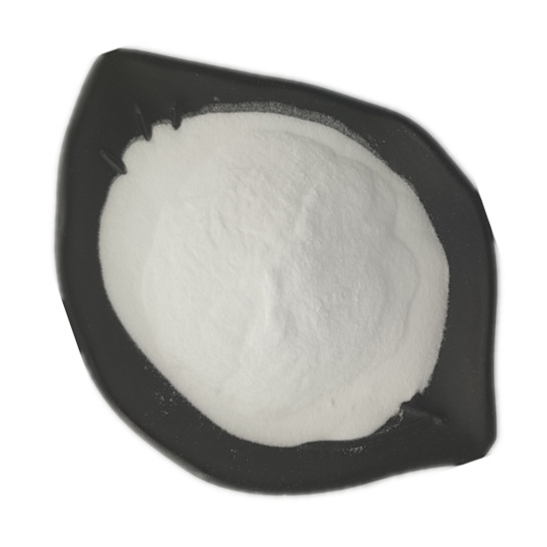
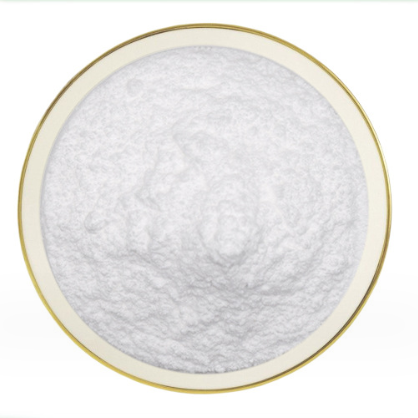
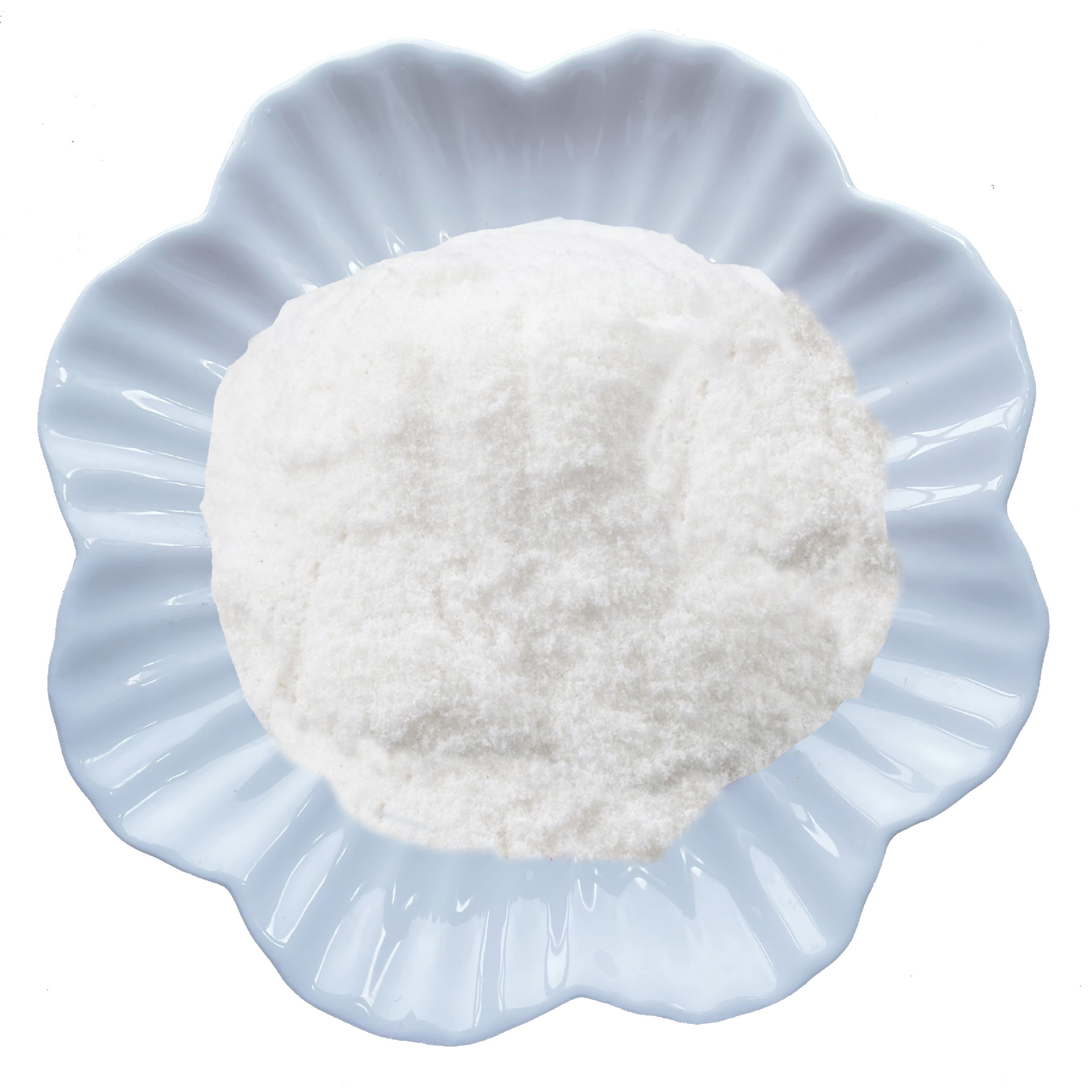
Naphthaleneacetic Acid (NAA) is a synthetic auxin and widely recognized plant growth regulator used in agriculture, horticulture, orchards and nursery production. It is particularly associated with fruit thinning, reducing pre-harvest fruit drop, regulating plant growth and stimulating root development.
As growers and agricultural producers continue to focus on more precise crop management, plant growth regulators such as NAA can play an important role in managing fruit load, plant development and crop quality.
What Is Naphthaleneacetic Acid (NAA)?
Naphthaleneacetic Acid, commonly abbreviated as NAA, is also known as 1-Naphthaleneacetic Acid, 1-Naphthylacetic Acid or α-Naphthaleneacetic Acid.
Its basic chemical information includes:
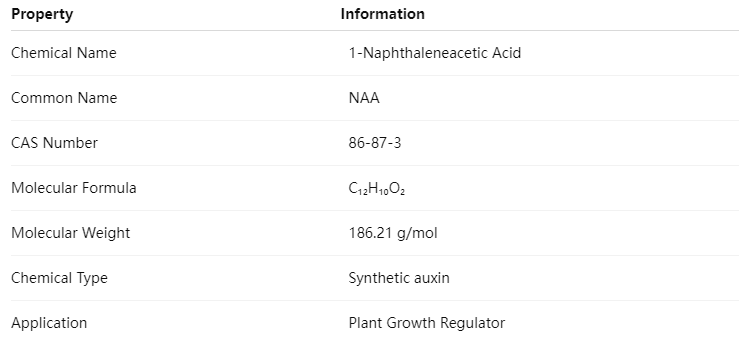
The chemical identity and molecular information of 1-Naphthaleneacetic Acid are documented by the U.S. National Institute of Standards and Technology (NIST) and PubChem.
NAA belongs to the auxin family of plant growth regulators. Its activity is related to its structural similarity to indole-3-acetic acid (IAA), a naturally occurring plant hormone involved in plant growth and development.
How Does NAA Work as a Plant Growth Regulator?
NAA acts as a synthetic auxin and can influence several physiological processes in plants. Depending on the crop, application timing and concentration, NAA may be used to:
- Regulate fruit development
- Promote fruit thinning
- Reduce pre-harvest fruit drop
- Influence root formation
- Control sucker and sprout growth
- Regulate leaf and flower development
- Support propagation of ornamental plants
The actual effect of NAA depends strongly on the crop, growth stage, application method and dosage. Therefore, NAA should always be used according to the applicable product label and local agricultural regulations.
Major Agricultural Applications of NAA
1. Fruit Thinning
One of the best-known applications of NAA is chemical fruit thinning, particularly in apple production. Fruit thinning helps growers manage excessive fruit load and can improve the distribution of resources among the remaining fruit. In commercial apple orchards, NAA is commonly used during specific stages of early fruit development. Virginia Tech notes that NAA is commonly used for thinning apples, with application timing being an important factor in its effectiveness.
2. Reducing Pre-Harvest Fruit Drop
NAA can also be used to help reduce premature fruit drop before harvest. Fruit drop can result in economic losses for growers, especially in orchard crops. Appropriate plant growth regulator programs can help growers manage fruit retention during the pre-harvest period. NAA and related naphthalene acetates have been registered for uses involving the prevention of pre-harvest fruit drop in crops including apples and pears.
3. Rooting and Plant Propagation
NAA is also used in horticultural and nursery applications related to root development and propagation. Synthetic auxins can stimulate adventitious root formation, making them useful in certain cutting and propagation applications. Commercial NAA-containing products are registered for root treatment of various ornamental plants and cuttings.
4. Sprout and Sucker Control
Another application of NAA is the management of unwanted sprouts and sucker growth.
NAA in Modern Orchard and Horticultural Production
NAA continues to be relevant in commercial crop management because fruit production is not simply about increasing the number of fruits on a plant. Growers also need to manage fruit load, fruit size, crop uniformity and pre-harvest losses. For example, in apple production, chemical thinning is an important part of crop-load management. NAA is one of the plant growth regulators used for this purpose, although the appropriate treatment program varies according to cultivar, fruit development stage and environmental conditions.
NAA vs. Other Plant Growth Regulators
NAA is one member of a broader group of plant growth regulators used in modern agriculture. Different plant growth regulators have different physiological roles:
- NAA: synthetic auxin; commonly associated with fruit thinning, fruit-drop management and rooting applications.
- IBA: commonly used as an auxin for stimulating root formation, particularly in plant propagation.
- 6-KT (Kinetin): a cytokinin associated with cell division and plant development.
- GA3 (Gibberellic Acid): a gibberellin widely used to influence plant growth, fruit development and other physiological processes.
Why Product Quality Matters for NAA
For manufacturers, formulators and agricultural distributors, the quality and consistency of NAA raw material are important considerations. When sourcing NAA, buyers may evaluate factors such as:
- Assay / purity, Appearance, Moisture
- Residual impurities, Batch-to-batch consistency
- Packaging, Storage conditions
- COA, SDS and technical documentation
- Production capacity and supply stability
NAA Supply for Global Agricultural Markets
Shenzhen Soyoung Technology Material Co., Ltd. focuses on the development and supply of specialty chemical raw materials and plant growth regulator products for international customers. For customers evaluating Naphthaleneacetic Acid (NAA) for agricultural formulations, our team can provide product specifications, COA, SDS and other relevant technical documentation according to project requirements.
Frequently Asked Questions About Naphthaleneacetic Acid
What is Naphthaleneacetic Acid (NAA)?
Naphthaleneacetic Acid (NAA) is a synthetic auxin and plant growth regulator. It is used in agriculture and horticulture for applications such as fruit thinning, fruit-drop management, rooting and regulation of plant growth.
What is the CAS number of NAA?
The CAS number of 1-Naphthaleneacetic Acid is 86-87-3. Its molecular formula is C₁₂H₁₀O₂ and its molecular weight is 186.21 g/mol.
Is NAA a natural plant hormone?
NAA is a synthetic auxin, rather than a naturally occurring plant hormone. Its plant growth-regulating activity is associated with the auxin pathway and its structural similarity to indole-3-acetic acid (IAA).
Conclusion
Naphthaleneacetic Acid (NAA) is an established synthetic auxin with applications across commercial agriculture and horticulture. For technical specifications, samples or bulk supply of Naphthaleneacetic Acid (NAA), CAS 86-87-3, please contact Shenzhen Soyoung Technology Material Co., Ltd.