






Mastering Plant Growth: The Ultimate Guide to 1-Naphthaleneacetic Acid (NAA)
In the competitive world of modern agriculture and high-yield crop cultivation, synthetic plant growth regulators (PGRs) play a pivotal role. Among the most widely used synthetic auxins is 1-Naphthaleneacetic Acid (NAA)—a versatile compound essential for root development, fruit thinning, and preventing premature crop drop.
Whether you are a commercial grower, agricultural distributor, or PGR formulator, understanding how NAA works, its key applications, and proper usage can significantly boost your agricultural yield and commercial value.
What is 1-Naphthaleneacetic Acid (NAA)?
1-Naphthaleneacetic Acid (NAA) (CAS No.: 86-87-3) is a synthetic plant hormone belonging to the auxin family. Unlike naturally occurring Indole-3-acetic acid (IAA), which breaks down rapidly under sunlight, NAA exhibits higher stability and longer-lasting activity, making it an effective and reliable choice for agricultural applications.
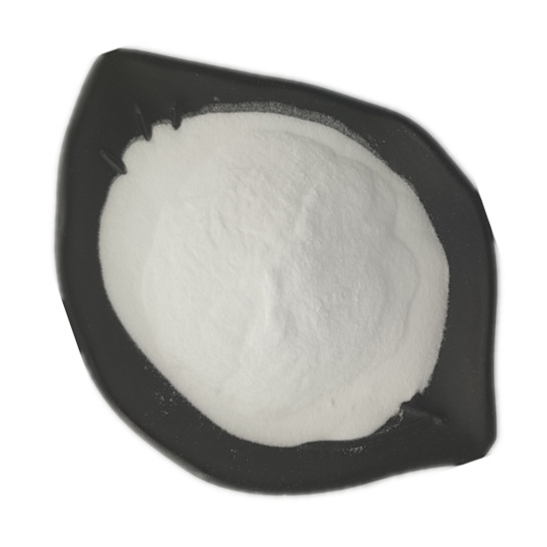
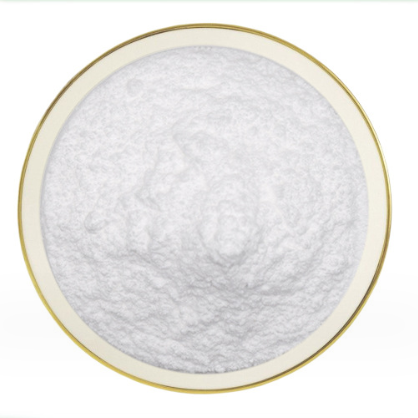
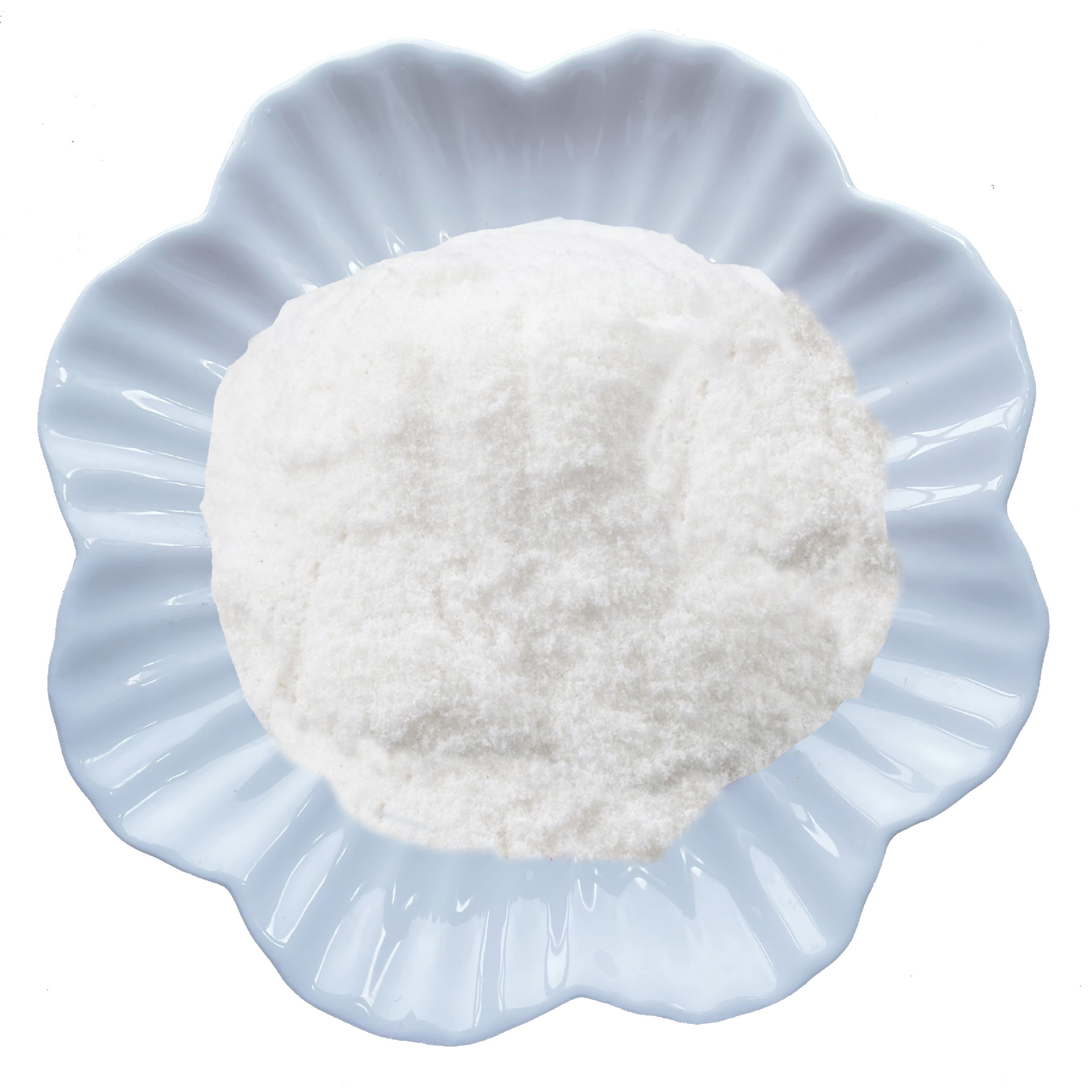
In agrochemical formulations, NAA is commonly supplied in two primary forms:
High-purity crystalline powder used mainly for custom blending and formulation.
Water-soluble salt form that dissolves quickly in water, simplifying field applications.
Core Applications and Benefits of NAA in Agriculture
NAA operates by cell elongation, cell division, and vascular tissue differentiation. Its primary agricultural functions include:
1. Superior Rooting Stimulation
NAA is a mainstay ingredient in commercial rooting powders and liquid concentrates. By stimulating adventitious root formation, NAA dramatically improves propagation success rates for hardwood, softwood, and semi-hardwood cuttings across ornamental plants, nursery stock, and fruit trees.
2. Preventing Pre-Harvest Fruit Drop
Premature fruit drop before harvest leads to substantial economic losses for growers. Applying NAA at calibrated low concentrations delays the formation of the abscission zone in fruit stems, effectively keeping fruits attached to trees (such as apples, citrus, and pears) until optimum ripeness.
3. Precision Fruit Thinning
When applied during early bloom or post-bloom, NAA acts as a selective fruit thinner. By controlling fruit set in orchards, it prevents over-cropping, increases individual fruit size, improves crop quality, and breaks the cycle of biennial bearing.
4. Enhancing Flower and Fruit Formation
In crops such as tomatoes, peppers, and pineapples, appropriate concentrations of NAA induce flowering, boost blossom retention, and enhance total fruit set.
Recommended Usage Guidelines & Dosage Considerations
Because NAA is a potent synthetic hormone, precision in dosage is critical. Plant responses vary based on crop species, growth phase, and ambient temperature.
-
Rooting Cuttings: Typically used at concentrations ranging from 500 ppm to 3000 ppm as a brief dip or lower concentrations for prolonged soaking.
-
Fruit Drop Prevention: Sprayed at low concentrations, generally between 10 ppm and 30 ppm, prior to harvest.
-
Fruit Thinning: Applied around 5 ppm to 20 ppm depending on crop sensitivity and environmental conditions.
Pro Tip: Always conduct a small-scale trial before full-field application. Excessively high concentrations of NAA can exert an herbicidal effect, causing vegetative growth stunting or leaf burn.
Why Choose Shenzhen Soyoung for High-Quality NAA?
At Shenzhen Soyoung, we specialize in providing premium-grade Agrochemicals and Plant Growth Regulators to global partners. When sourcing 1-Naphthaleneacetic Acid (NAA), product purity and consistency are vital for predictable field performance.
Partner with Shenzhen Soyoung Today
Looking to source premium 1-Naphthaleneacetic Acid (NAA) or develop tailored plant growth formulations for your market?
[Contact Shenzhen Soyoung Today]
Speak with our chemical specialists, request technical data sheets (TDS/MSDS), or get a competitive wholesale quote!