
Cocamide MIPA—The Coconut-Based Workhorse of Personal-Care Products
Cocamide MIPA (short for cocamide monoisopropanolamine) is a white-to-pale-yellow waxy solid made by reacting coconut fatty acids with monoisopropanolamine.
Chemically it belongs to the alkanolamide family and is classed as a non-ionic surfactant.

From Coconut to Foam: How Cocamide MEA is Redefining Clean Beauty
What exactly is Cocamide MEA?
It is a non-ionic surfactant obtained by condensing coconut fatty acids with monoethanolamine (MEA). The resulting white-to-pale-yellow waxy flake or pellet has the main structure RCONHCH₂CH₂OH and is commonly abbreviated as C-MEA or cocamide MEA.
Everything You Always Wanted to Know About PEG-40 Hydrogenated Castor Oil
What exactly is PEG-40 Hydrogenated Castor Oil?
It is a polyethylene-glycol (PEG) derivative of hydrogenated castor oil—an amber, slightly viscous liquid that works as a non-ionic surfactant, emulsifier, solubilizer and mild fragrance carrier.
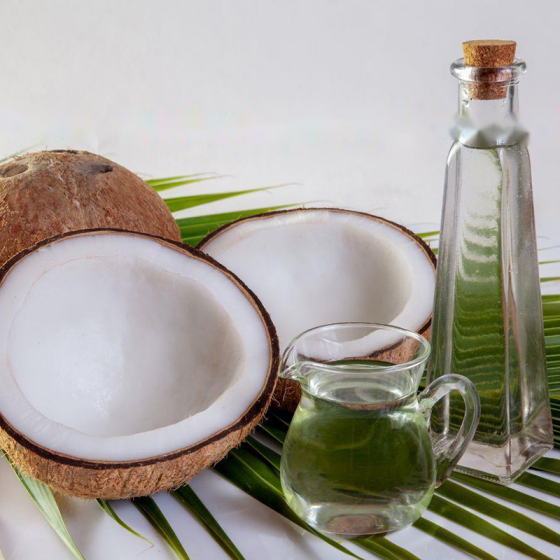
Cocamidopropylamine Oxide Boosts Gentle Lather
What exactly is Cocamidopropylamine Oxide?
Cocamidopropylamine Oxide (abbreviated as CAO, CAS No. 68155-09-9) is a coconut oil-derived surfactant classified as an amine oxide. It falls under the category of zwitterionic surfactants, meaning it can behave as either cationic or non-ionic depending on the pH of its environment. This adaptability makes it a powerhouse in formulations requiring both efficacy and mildness.

Lauramidopropylamine Oxide: Ultra-Mild Foam Power from Coconut to Clean
What exactly is Lauramidopropylamine Oxide?
Lauramidopropylamine Oxide—abbreviated LAO or LAPAO—is a clear-to-pale-yellow amphoteric surfactant belonging to the amine-oxide family. Chemically, it is N-(3-dimethylaminopropyl)lauramide N-oxide (C₁₇H₃₆N₂O₂, CAS 61792-31-2) . In plain language, it is a plant-derived, salt-free molecule that can act as either a cationic or non-ionic ingredient depending on the pH of the formulation, making it exceptionally versatile across rinse-off and leave-on products.

Global Beauty Industry Embraces Myristamine Oxide for Safer Formulations
Global Beauty Industry Embraces Disodium Lauriminodiacetate as Revolutionary Multifunctional Surfactant
The cosmetic chemistry landscape is witnessing a surge in demand for Disodium Lauriminodiacetate, a versatile surfactant lauded for its multifunctional properties. Derived from glycine and lauric acid, this ingredient is rapidly becoming a cornerstone in formulations ranging from shampoos to facial cleansers, driven by consumer preferences for gentle yet effective products.
Dry Skin? Phytosteryl Isostearate is Your Multi-Tasking Miracle
What exactly is Phytosteryl Isostearate?
Phytosteryl Isostearate is a plant-derived ester created by combining phytosterols—natural compounds from vegetable oils—with isostearic acid. It’s a gold-standard cosmetic ingredient revered for its dual functionality as an emollient and stabilizer.
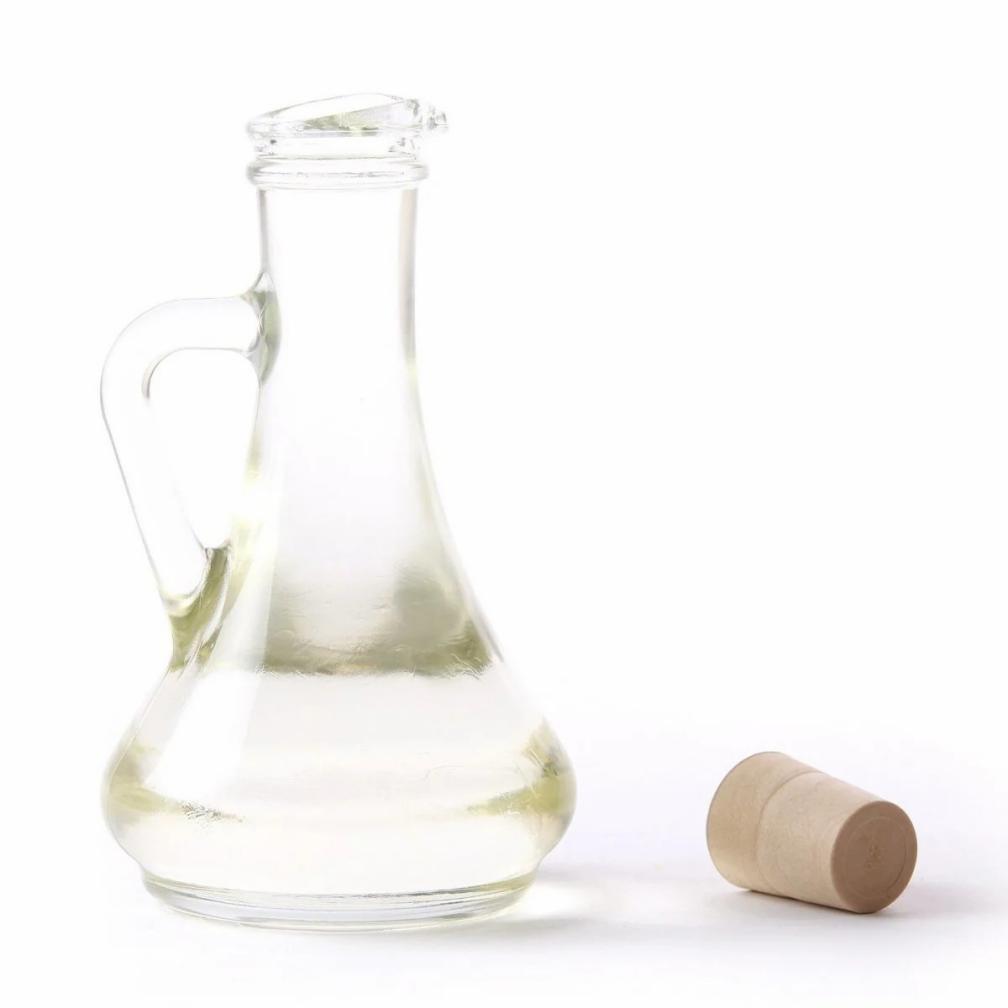
Triisostearin Exposed: Can Your Favorite Cream Cause Breakouts? The Shocking Facts
Amidst the complex ingredient lists of cosmetics, Triisostearin is gaining prominence. This multifunctional synthetic ester is rapidly becoming a staple in skincare and makeup formulations. Yet, questions swirl around its skin benefits, acne-triggering potential, cancer links, and side effects. We dissect the science behind this controversial compound.

Revolutionizing Skincare: The Benefits of Sodium Lauroyl Sarcosinate
Sodium Lauroyl Sarcosinate is a widely used cleansing agent found in products such as shampoos, toothpastes, and other washes. It produces a generous amount of foam that makes the application and feel of the products much better. In its raw form, Sodium Lauroyl Sarcosinate can be either powder or liquid that is mild in nature. It is basically the salt of lauryl sarcosinate.The chemical formula for Sodium Lauroyl Sarcosinate is C15H28NNaO3.