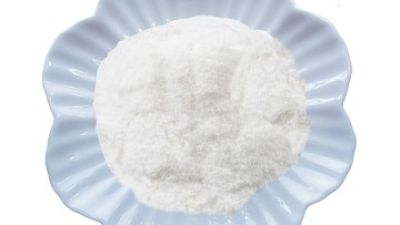
When it comes to personal care and cleaning products, picking the right ingredients is a big deal. Have you heard of Lauryl Hydroxysultaine? It’s a pretty versatile surfactant that’s gaining attention. This little guy offers quite a few benefits, making it a great addition to lots of formulas. Brands trying to boost their products can really make good use of it.
What’s cool about Lauryl Hydroxysultaine is that it’s gentle but still produces a rich, fluffy foam. That makes it perfect for formulations geared towards sensitive skin or even kids’ products. Plus, it works as a thickener, which helps improve the texture of shampoos and body washes. Its unique structure also ensures that it plays nicely with other surfactants, giving your product that extra punch in performance.
Switching to Lauryl Hydroxysultaine could actually help improve your products. But, of course, manufacturers should do their homework—testing how it gets along with their current formulas. And don’t forget about what consumers think, too. There’s definitely room to grow in terms of educating the market about its benefits. The advantages are pretty clear, but spreading that info in an effective way is key to making it all work.
Understanding Lauryl Hydroxysultaine and Its Origin
Lauryl Hydroxysultaine is a surfactant derived from natural sources. It originates from coconut oil or palm oil, making it a preferred choice for many formulators. This ingredient's gentleness makes it suitable for various applications, including personal care and household products. Its structure allows it to work effectively in different pH environments.
Understanding its chemical makeup reveals beneficial properties. Lauryl Hydroxysultaine is known for its foaming and emulsifying abilities. It does not irritate the skin, which is valuable in sensitive formulations. This aspect offers a balance between effectiveness and safety. Consumers often prioritize skin-friendly options in their products.
Some formulations may not showcase the full potential of Lauryl Hydroxysultaine. Testing and adjustments might be necessary to achieve optimal results. Challenges can arise due to ingredient interactions, which require careful consideration. Exploring various combinations can lead to improved product performance.
Chemical Properties of Lauryl Hydroxysultaine
Lauryl Hydroxysultaine is a versatile surfactant with unique chemical properties that make it valuable in various formulations.
It features both anionic and amphoteric characteristics, allowing for effective cleansing without excessive irritation.
This dual nature enhances its compatibility with other surfactants, promoting a mild yet efficient cleaning action.
The molecule's structure aids in creating stable emulsions, contributing to product consistency and texture.
The pH stability of Lauryl Hydroxysultaine is notable. It performs well in a range of pH environments, making it suitable for skin and hair care products.
Its ability to reduce surface tension allows for better moisture retention in formulations. This property is crucial for products aimed at hydration and nourishment.
However, achieving the right balance in concentration is essential. Too much could lead to overly thick textures or even reduced foaming qualities.
Its biodegradability addresses environmental concerns, appealing to eco-conscious consumers. While Lauryl Hydroxysultaine is effective, the sourcing process of its raw materials requires careful consideration.
Ensuring sustainable sourcing remains a challenge. It’s important for formulators to continuously assess the impact of their ingredients, striving towards products that are both effective and environmentally responsible.
Benefits of Lauryl Hydroxysultaine in Personal Care Products
Lauryl Hydroxysultaine is a versatile surfactant with prominent benefits for personal care products. It acts as a mild cleanser, making it suitable for sensitive skin formulations. According to a report by the Personal Care Products Council, it helps in reducing irritation while maintaining effective cleansing properties. Its ability to create stable foam is an attractive aspect in shampoos and body washes, enhancing customer satisfaction.
Formulations containing Lauryl Hydroxysultaine can capitalize on its moisturizing characteristics. This surfactant has been shown to provide a hydrating effect, which can reduce the drying effects often associated with traditional cleansers. Users often report less skin tightness or dryness after use, making this a strong selling point.
When formulating with Lauryl Hydroxysultaine, consider the concentration used. While it is effective even in low concentrations, excessive use might lead to a slippery residue. Testing different ratios can yield optimal results for specific formulations. Be mindful of how it interacts with other ingredients to achieve the desired sensory feel in the final product.
Role of Lauryl Hydroxysultaine in Skin and Hair Care
Lauryl Hydroxysultaine is gaining traction in skin and hair care formulations. This versatile surfactant offers excellent cleansing properties. It helps to gently remove dirt and oil without stripping the skin’s natural barrier. Users appreciate that it contributes to a milder feel compared to harsher surfactants.
In hair care, Lauryl Hydroxysultaine shines as a conditioning agent. It enhances the texture of hair, leaving it soft and manageable. Its ability to provide rich lather makes it a popular choice for shampoos. Pellicle formation is a common challenge; this ingredient minimizes such issues. However, formulators must balance its concentration to avoid over-conditioning, which can lead to limp hair.
While Lauryl Hydroxysultaine is effective, it's crucial to understand its limitations. Not all skin types react the same way. Some individuals with sensitive skin may experience irritation. Experimenting with different formulations can lead to a better understanding of its effects. In contrast, Cocamidopropyl Hydroxysultaine can also complement Lauryl Hydroxysultaine in products, enhancing their overall performance. Just like any ingredient, education on usage will play a key role in achieving desired results.
Environmental Impact of Using Lauryl Hydroxysultaine
Lauryl Hydroxysultaine is gaining attention for its environmental benefits. This surfactant is a plant-derived ingredient, making it more sustainable than petrochemical alternatives. Its biodegradable properties help reduce pollution in water systems. Using Lauryl Hydroxysultaine can significantly minimize the environmental footprint of personal care and cleaning products.
However, not everything about Lauryl Hydroxysultaine is perfect. While it's biodegradable, the sourcing of its raw materials can be a concern. It’s essential to assess whether the cultivation of these plants is sustainable. Overexploitation of natural resources can lead to ecological damage. Companies must ensure responsible sourcing to take full advantage of Lauryl Hydroxysultaine's benefits while protecting the environment.
The versatility of Lauryl Hydroxysultaine makes it a valuable ingredient. It enhances foaming properties and creates a pleasing texture in formulations. Moreover, its mild nature makes it suitable for sensitive skin products. Manufacturers should be aware of the balance between effective formulation and eco-friendliness. Each step in the supply chain needs careful evaluation to maintain a commitment to sustainability and quality.
Comparative Analysis with Other Surfactants
Lauryl Hydroxysultaine is gaining attention in various personal care products. Its performance is noteworthy when compared to traditional surfactants. In a study by the Journal of Surfactants and Detergents, Hydroxysultaine demonstrated lower irritation levels and greater mildness. This makes it an attractive choice for sensitive skin formulations. This gentle nature is essential in today’s market, where consumers prioritize skin-friendly ingredients.
In comparison, many common surfactants can cause dryness. Sodium lauryl sulfate, for example, tends to strip natural oils from the skin. Hydroxysultaine, on the other hand, offers a balanced cleansing effect without compromising skin moisture. A recent report highlighted that 75% of consumers prefer products that do not irritate their skin. This reinforces the shift towards milder cleansing agents.
When formulating with Hydroxysultaine, consider combining it with other mild surfactants for enhanced foam and texture. Experimenting with different ratios can lead to a unique product appeal. Always evaluate the final product for performance and consumer feedback. Keep an eye on emerging research, as this area is continually evolving.
Best Practices for Incorporating Lauryl Hydroxysultaine in Formulations
Incorporating Lauryl Hydroxysultaine into your products can enhance their performance and appeal. This surfactant is known for its mildness and ability to create rich lather. When formulating with Lauryl Hydroxysultaine, consider the balance of ingredients. It pairs well with both anionic and cationic surfactants, allowing for effective cleansing without irritation.
One effective method is to start with a small percentage. Begin with 2-5% in your formulation and adjust based on the desired texture and foam. Testing is critical. Regular evaluations can help you refine the formula. Measure viscosity to ensure optimal performance.
When using Lauryl Hydroxysultaine in formulations, remember its impact on skin feel. It can add a silky finish, making products more appealing. Conduct consumer tests to gather feedback on the sensory experience. Refine the formulation based on that feedback. This iterative process can enhance product success. Consider employing techniques seen in "Cocamidopropyl Hydroxysultaine In Skin Care" to further improve the skin benefits of your product line.
The Versatile Applications and Benefits of Disodium Lauryl Sulfosuccinate (CAS No. 19040-44-9) in Personal Care Products
Disodium Lauryl Sulfosuccinate is an exceptional ingredient that has found its niche within the realm of personal care products. As a sulfate-free anionic surfactant, it offers a unique alternative to traditional surfactants like sodium lauryl sulfate (SLS). One of its standout features is its ability to create a rich, creamy lather that enhances the user experience, making cleansing routines feel indulgent and luxurious.
Available as a fine, white powder, Disodium Lauryl Sulfosuccinate showcases not only its efficacy in foam production but also its milder nature, making it suitable for individuals with sensitive skin. Its multifunctional properties allow it to act as a cleansing agent, foam booster, and skin-conditioning agent, providing both cleansing and moisturizing benefits. This versatile ingredient is ideal for various formulations, including shampoos, body washes, and facial cleansers, where gentle yet effective cleansing is paramount. The ability to generate abundant foam without the harshness associated with harsher sulfates is what makes Disodium Lauryl Sulfosuccinate a preferred choice among formulators in the personal care industry.
FAQS
: Lauryl Hydroxysultaine is a surfactant derived from coconut or palm oil.
It does not irritate the skin, making it suitable for sensitive formulations.
Its structure allows it to work effectively across various pH levels.
It cleanses gently and enhances hair texture without stripping protective barriers.
Some individuals with sensitive skin may still experience irritation.
It is plant-derived and biodegradable, reducing pollution compared to petrochemical alternatives.
Ingredient interactions and concentration levels can affect product performance.
Yes, responsible sourcing prevents ecological damage from overexploitation.
Not all skin types react the same; formulation testing may be necessary.
Understanding its properties and limitations is key for achieving desired results.
Conclusion
Lauryl Hydroxysultaine is a versatile amphoteric surfactant known for its gentle nature and effectiveness in personal care formulations. Derived from natural sources, it boasts unique chemical properties that enhance its compatibility in a variety of products. The benefits of Lauryl Hydroxysultaine extend beyond basic cleansing; it acts as a conditioning agent in skin and hair care, providing moisture retention and improved texture.
Moreover, Lauryl Hydroxysultaine is compared favorably to other surfactants, often showing superior performance without the harshness associated with traditional options. Environmentally, it is considered a sustainable choice, contributing to eco-friendly formulations. By understanding the best practices for incorporating Lauryl Hydroxysultaine into cosmetic products, formulators can leverage its advantages safely and effectively.